Mudchute estate carpet cleaning and stain prevention Millwall
Carpets in Mudchute estate work hard. One rainy afternoon, one muddy shoe, one over-enthusiastic cup of tea, and suddenly the room feels different. That's the reality for many Millwall homes: everyday life is busy, the floors take the strain, and stains tend to appear at the worst possible moment. This guide to Mudchute estate carpet cleaning and stain prevention Millwall explains how to keep carpets fresher for longer, how professional cleaning fits into the picture, and what you can do at home to avoid the usual mishaps.
If you want a cleaner home, fewer stubborn marks, and a better idea of when to book help, you're in the right place. We'll cover the practical stuff: what matters, how the process works, which methods are suitable for different carpet types, and the simple habits that stop spills becoming permanent. No fluff. Just useful guidance you can actually use.
Table of Contents
- Why Mudchute estate carpet cleaning and stain prevention Millwall Matters
- How Mudchute estate carpet cleaning and stain prevention Millwall Works
- Key Benefits and Practical Advantages
- Who This Is For and When It Makes Sense
- Step-by-Step Guidance
- Expert Tips for Better Results
- Common Mistakes to Avoid
- Tools, Resources and Recommendations
- Law, Compliance, Standards, or Best Practice
- Options, Methods, or Comparison Table
- Case Study or Real-World Example
- Practical Checklist
- Conclusion
- Frequently Asked Questions
Why Mudchute estate carpet cleaning and stain prevention Millwall Matters
Carpet care is not just about appearances, though a clean room does feel calmer, doesn't it? In a place like Mudchute estate, carpets can collect fine grit from foot traffic, moisture from wet shoes, pet hair, food crumbs, and the occasional spill that somehow lands exactly on the pale patch of pile you wanted to keep nice. Over time, that mix can dull fibres, trap odours, and make a room look older than it is.
Stain prevention matters because most marks are easier to stop than to remove later. Fresh tea, coffee, juice, makeup, cooking oil, wine, pet accidents, and tracked-in mud all behave differently. Some sink quickly into the pile, some spread, and some set if they're rubbed in or left too long. Truth be told, the biggest mistake is usually doing too much too fast.
There is also a practical side. Regular carpet maintenance can help preserve the texture and colour of the flooring, which is especially useful in family homes, rentals, and busy shared spaces. If you are trying to keep a property presentable between deep cleans, a simple prevention routine can save a lot of time and stress.
For homes that need a broader refresh, a professional carpet cleaning service in Millwall can remove built-up soil that ordinary vacuuming leaves behind. And if the problem is not just the carpet but also a sofa, rug, or curtains taking the same abuse, it makes sense to look at the full room, not one item in isolation.
How Mudchute estate carpet cleaning and stain prevention Millwall Works
Good carpet cleaning is a mix of inspection, right-method selection, and careful moisture control. Before any cleaning begins, the fibre type, backing, visible stains, and room conditions should be checked. A wool carpet, for example, needs a more cautious approach than a synthetic one. That sounds obvious, but it is where a lot of poor results begin.
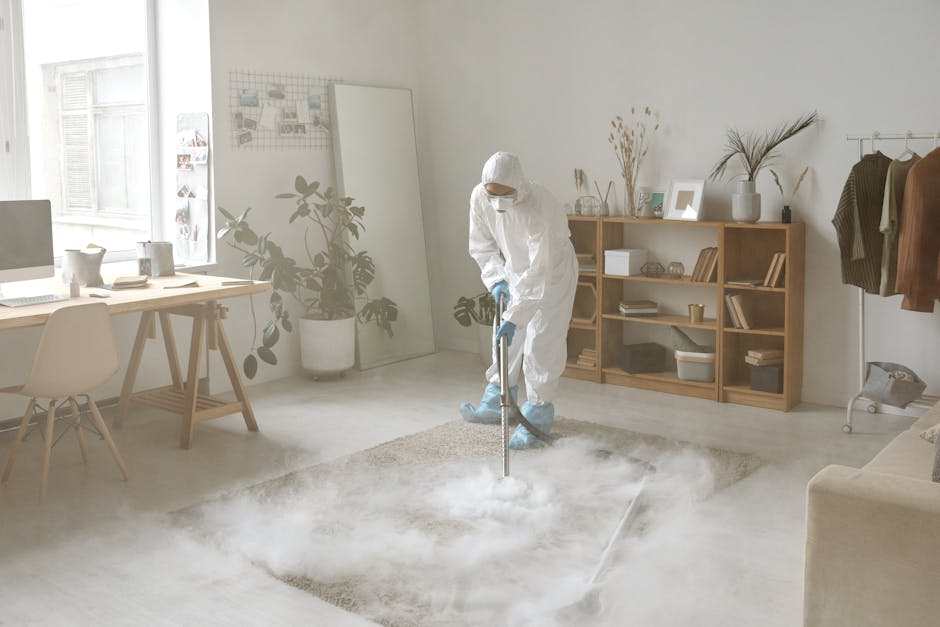
In practice, a typical cleaning process involves dry soil removal, stain assessment, pre-treatment, agitation where suitable, extraction or controlled cleaning, and then proper drying. The aim is not just to make the carpet look better for a day. It is to lift soils from deep in the fibres without leaving excess residue behind. Residue can attract dirt, and then the whole thing becomes a bit of a cycle. Annoying, but common.
Stain prevention works differently. It focuses on reducing the chance that spills become lasting marks. That can mean fibre protection, better entryway habits, quicker spot response, and sensible rules around food and drinks in high-risk areas. In a home with children or pets, prevention is almost always a daily habit rather than a one-off treatment.
If you want to compare more advanced approaches, many households choose between standard deep cleaning and steam carpet cleaning. Steam-based methods are often valued for deeper fibre penetration, although suitability depends on the carpet material and the condition of the flooring. Not every carpet needs the same treatment, and that is where experience matters.
Key Benefits and Practical Advantages
The benefits are straightforward, but the details matter.
- Cleaner appearance: Carpets look brighter, feel softer, and make rooms seem tidier with less effort.
- Better hygiene: Regular cleaning helps remove trapped dust, crumbs, allergens, and general build-up.
- Odour control: Spills, damp shoes, pet incidents, and everyday traffic can leave a lingering smell if ignored.
- Longer carpet life: Removing grit and residue helps reduce wear on fibres.
- Faster spill recovery: Stain-prevention habits give you a better chance of stopping a mark before it settles.
- Better value for money: Keeping a carpet in good condition delays replacement, which is a real win in the long run.
There is also a psychological benefit that people do not mention enough. A clean carpet changes how a space feels underfoot and in the room as a whole. You notice it when you walk in from the hallway and the air smells a bit fresher, the room looks lighter, and you are not distracted by that one old patch near the sofa. Small thing, maybe. But it adds up.
For households dealing with a mix of floor and soft-furnishing issues, it can help to combine services sensibly. A carpet may need one treatment, while a dining chair or hall runner needs another. If the stain has affected upholstery too, upholstery cleaning may be part of the answer rather than treating the carpet alone.
Who This Is For and When It Makes Sense
This topic is relevant to more people than you might expect. It is not only for homes with visible mess. Sometimes the carpets are already showing early signs of wear, and prevention is about stopping the next problem rather than fixing the current one.
- Families with children: Spills, snacks, craft materials, and muddy shoes are part of the landscape.
- Pet owners: Hair, paw prints, odours, and the occasional accident need prompt attention.
- Renters and landlords: Presentable carpets support a better property handover and reduce friction at move-out time.
- Busy professionals: If there is little time for day-to-day spot treatment, a scheduled clean is often the most realistic route.
- Older properties: Carpets in homes with heavier traffic may need more frequent maintenance.
- Shared spaces or small businesses: Entrances and walkways usually show dirt first, so a cleaner schedule helps protect first impressions.
It also makes sense when stains are starting to repeat in the same area. That usually means the issue is not just the mark itself, but the way the room is being used. Maybe the hallway needs a mat. Maybe the dining area needs a no-drink rule during busy evenings. Maybe the carpet simply needs a proper reset, and that's fair enough.
If pets are part of the problem, the specialist page for pet stain and odour removal is especially relevant, because urine and lingering smells often need a different approach from food or drink stains.
Step-by-Step Guidance
Here is a sensible, field-tested way to handle carpet care in Mudchute estate homes. Nothing dramatic. Just a sequence that works better than panic and paper towels.
- Identify the carpet type. Wool, synthetic, blend, loop pile, and cut pile all respond differently. If you are unsure, be cautious with water and chemistry.
- Vacuum properly first. Dry soil should be removed before any wet treatment. Otherwise, you are just making mud in miniature.
- Treat fresh spills quickly. Blot, don't rub. Use a clean white cloth or absorbent paper to lift liquid from the fibres.
- Test any cleaning product in a hidden area. This matters more than most people think. One bad patch can create a new problem.
- Apply a suitable stain remover. Use only the lightest effective amount. Too much product can leave residue or spread the stain.
- Lift from the outside in. This helps prevent the mark from spreading wider.
- Rinse or extract gently if needed. Do not flood the carpet. Over-wetting can cause drying issues and backing damage.
- Dry thoroughly. Open windows if conditions allow, use airflow, and avoid putting furniture back too soon.
- Review the cause. If the same kind of stain keeps happening, fix the habit, not just the symptom.
For deeper cleaning, especially where the carpet has a lot of built-up traffic soil, steam carpet cleaning can be a sensible choice. For more general stain treatment, the dedicated stain removal service is often the better fit. Different jobs, different tools. Simple as that.
Expert Tips for Better Results
Good prevention is usually a combination of small habits, not a single miracle product. A few practical tips make a noticeable difference.
- Use entrance mats properly: One inside and one outside, if possible. They catch the grit before it gets across the carpet.
- Adopt a shoes-off habit: It is boring advice, but it works. Especially on damp days.
- Blot with pressure, not friction: Press down firmly to absorb liquid. Scrubbing can damage fibres and spread pigment.
- Keep a basic spot kit: White cloths, a neutral carpet cleaner, and clean water are enough for many fresh spills.
- Deal with odour and colour separately: A stain can be invisible but still smell. Or the other way around.
- Rotate furniture sometimes: This helps distribute wear patterns and sunlight fade.
- Do not overuse fragrance sprays: They can mask a smell briefly while leaving residue behind.
A small but useful observation: many stains look worse under bright morning light than in the evening. So if you think something has gone from "minor spill" to "permanent disaster" at 8 a.m., step back and inspect it properly before you start reaching for stronger chemicals. Hasty decisions make carpets unhappy.
For softer furnishings nearby, it may be worth pairing carpet care with sofa cleaning or rug cleaning if the same traffic pattern affects the whole room.
Common Mistakes to Avoid
Let's face it, most carpet damage comes from well-meant but slightly wrong DIY attempts. The usual culprits are easy to spot.
- Rubbing a fresh stain: This pushes it deeper and can rough up the pile.
- Using too much water: Carpets are not sponges to be soaked and forgotten.
- Applying random household chemicals: Bleach, strong detergents, and coloured cleaners can cause fading or permanent marks.
- Skipping the drying stage: Damp carpet can develop odour and attract more dirt.
- Waiting too long: Some stains set in minutes, not days.
- Ignoring the backing or underlay: A stain can move below the visible surface and stay there.
- Using the same method for everything: Coffee, ink, grease, mud, and pet accidents do not respond the same way.
Another common issue is overconfidence with online advice. A tip that works on a synthetic office carpet might be a poor fit for a wool living room carpet. That is not a moral failing, just a reminder that materials matter. A lot.
Tools, Resources and Recommendations
You do not need a truck full of gear to keep carpets in good shape. A few sensible items and service choices go a long way.
- Vacuum with decent suction: Helpful for routine soil removal, especially in hallways and entrances.
- White microfiber cloths: Best for blotting because they do not transfer colour.
- Neutral carpet spot cleaner: Choose something suitable for the fibre type and the kind of stain.
- Soft brush: Useful for gently working cleaner into fibres without harsh scrubbing.
- Entry mats and runners: One of the simplest prevention tools, and often the most underrated.
- Protective furniture pads: Helpful where chairs or tables regularly shift on carpet.
For trusted service information, it is worth checking a provider's about us page, along with practical pages such as pricing and quotes, insurance and safety, and the health and safety policy. Those pages tell you more about how a business works than a polished sales pitch ever will.
If you are comparing service quality, a good provider should be open about what they can and cannot remove, how they protect surfaces, and how they handle drying and aftercare. Clear communication beats vague promises every time.
Law, Compliance, Standards, or Best Practice
For carpet cleaning in a residential setting, the main concerns are usually safety, product handling, and honest service expectations rather than complicated regulation. Still, there are sensible standards and good practice points worth respecting.
In the UK, cleaners and householders alike should take care with chemicals, ventilation, electrical equipment, and slip risks during and after cleaning. If a room is left damp, that becomes a practical hazard, especially on stairs or in shared areas. Good practice is to manage access until the carpet is dry enough to walk on safely.
Professional services should also be clear about insurance, what work they will perform, and any limitations before starting. If a stain is old, heat-set, or caused by dye transfer, it may not come out completely. That is not failure; it is honesty. And honesty matters more than shiny language.
If you are booking work in a home or managed property, it is reasonable to ask about service terms and payment arrangements. You can review the provider's terms and conditions, payment and security, and privacy policy before confirming anything. For businesses or larger shared buildings, the commercial carpet cleaning service may be more appropriate because the usage pattern, access needs, and scheduling are different.
Options, Methods, or Comparison Table
Different carpet problems call for different responses. Here's a simple comparison to help you decide.
| Method | Best for | Strengths | Limitations |
|---|---|---|---|
| Routine vacuuming | Daily dirt, dust, loose debris | Cheap, fast, essential for prevention | Won't remove set stains or deep soil |
| Spot cleaning | Fresh spills, small marks | Quick response, low disruption | Easy to overdo if you use too much liquid |
| Steam carpet cleaning | General deep clean, traffic areas | Good for embedded soil and refresh | Needs suitable carpet type and drying time |
| Targeted stain removal | Specific stains like coffee, wine, or ink | Focuses on the mark directly | Not every stain can be fully removed |
| Pet odour treatment | Urine, lingering smells, repeat pet accidents | Addresses both stain and scent | May need more than one treatment |
If you are unsure where a problem sits, start with the stain type, not the carpet type. Then match the method. It sounds simple because it is simple, but people often do the reverse and then wonder why the result is patchy.
Case Study or Real-World Example
Picture a family flat near Mudchute estate after a wet week. The hallway carpet has dark tracks from shoes, the sitting room has a faint tea mark near the armchair, and there is a small odour around the edge of a rug where a pet had a minor accident. Nothing dramatic, just everyday wear. But the whole place feels less fresh.
In a situation like that, the practical answer is usually a layered one. First, the high-traffic areas are vacuumed and inspected. The tea mark is treated as a fresh stain if possible, with blotting and a suitable solution rather than scrubbing. The pet area is handled separately because smell and stain often need different treatment. Then the family changes the routine: a mat at the entrance, shoes off in the main room, and a quick blot-and-dry habit for future spills.
The result is not magic. No miracle fog, no impossible promises. But the carpet looks better, the room smells cleaner, and the same problem is less likely to return next week. That is the real win.
If you need broader support beyond carpet care, the site also covers related services such as mattress cleaning, which can be useful where dust, spills, or odours have spread through the home in more than one place.
Practical Checklist
Use this checklist to keep Mudchute estate carpets in good condition and reduce the chance of stains becoming permanent.
- Vacuum high-traffic areas regularly.
- Place mats at entrances and refresh them often.
- Remove shoes where practical.
- Blot spills immediately with a clean white cloth.
- Test any cleaning product in a hidden area first.
- Use the least amount of liquid needed.
- Keep airflow moving during drying.
- Separate stain treatment from odour treatment when needed.
- Book a deep clean when traffic soil becomes visible or the carpet starts to look flat.
- Review recurring stains and change the habit causing them.
Practical takeaway: the best carpet care is not a dramatic rescue. It is steady, boring, reliable maintenance. That is what keeps carpets looking respectable for longer.
Conclusion
Mudchute estate carpet cleaning and stain prevention Millwall comes down to a simple idea: protect the carpet early, clean it correctly, and do not wait until damage is obvious. A good routine keeps the home fresher, reduces stress when spills happen, and helps carpets last longer without looking tired too soon.
If you remember only one thing, make it this: act quickly on spills, avoid over-wetting, and choose the right method for the stain. Most problems become much easier when you deal with them early. And if a mark is already stubborn, that is not a disaster. It just means the job needs a more considered approach.
For many homes, the next sensible step is a professional clean followed by a few small changes in how the space is used day to day. That combination usually works better than either one alone.
Get a free quote today and see how much you can save.
Sometimes the cleanest-looking home is simply the one where someone stayed one step ahead. That's all. And honestly, that's enough.
Frequently Asked Questions
How often should Mudchute estate carpets be professionally cleaned?
It depends on foot traffic, pets, children, and the type of carpet. Busy homes often benefit from regular deep cleaning, while lighter-use rooms may need less frequent attention. If the carpet looks dull or starts holding odours, that is usually a sign it is time.
What is the best way to stop stains setting into carpet fibres?
The best approach is to blot the spill immediately, avoid rubbing, and use the smallest sensible amount of suitable cleaner. Quick action matters more than fancy products. Once a stain dries and bonds with the fibres, removal becomes much harder.
Is steam cleaning safe for all carpets?
No, not all carpets are suitable for steam-based cleaning. Fibre type, backing, age, and previous treatment all matter. A cautious inspection first is the safest way to avoid shrinkage, colour loss, or over-wetting.
Can old stains still be removed?
Sometimes, yes, but there are limits. Old stains may have oxidised, bonded with the fibres, or been set by heat. A professional stain assessment can tell you whether full removal, partial improvement, or careful colour blending is the best realistic outcome.
What causes recurring stains in the same carpet area?
Recurring marks usually come from a repeat habit or a hidden residue problem. It might be tracked-in dirt, a drink habit near the sofa, pet access, or leftover cleaning product attracting soil. Solving the cause is just as important as treating the mark.
Do stain protection treatments really help?
They can help, especially when applied correctly to suitable carpets. Protection gives you more time to blot spills before they sink in. It is not a guarantee, though, so it should be part of a broader prevention routine rather than the only defence.
How can I tell whether a stain is from water, food, or something else?
You often cannot tell with certainty just by looking. Colour, smell, and texture give clues, but different stains can look similar once they dry. If you are unsure, it is safer to use a gentle approach and avoid harsh products until the stain is identified.
What should I do after a pet accident on carpet?
Blot up as much as possible immediately, then use a suitable pet stain and odour treatment rather than a general cleaner alone. Urine can leave both a visible mark and a smell, so it often needs a more targeted response.
Will cleaning remove all dirt from a carpet?
Not always. Deep cleaning can remove a large amount of embedded soil, but no method can promise perfect results on every carpet. The final result depends on age, fibre condition, stain history, and how quickly the area was treated.
What are the most common mistakes people make with carpet stains?
Rubbing, using too much water, applying random household chemicals, and leaving the carpet damp for too long are the big ones. They are common because they feel intuitive in the moment, but they usually make the problem worse.
Can I clean carpets myself or should I book a professional?
For fresh, small spills, DIY spot treatment is often enough. For deep soil, repeated staining, odour issues, or delicate carpet fibres, professional cleaning is usually the safer and more effective option. A practical mix of both works best for many homes.
How do I keep carpets cleaner between deep cleans?
Vacuum regularly, use entrance mats, remove shoes where practical, deal with spills fast, and rotate furniture if wear is building up in one area. Small habits really do make a noticeable difference over time.